When my husband Brian and I decided to leave Florida, we weren’t chasing a job opportunity or simply looking for a bigger house.
We were looking for a different kind of life.
We were tired of the rat race.
Florida had become increasingly crowded, expensive, and hectic. We were dissatisfied with the schooling options for our children, and we started asking ourselves a question that I think many families eventually ask:
Are we working this hard just to maintain a lifestyle we’re not even sure we want anymore?
With five children, our priorities were clear. We wanted more breathing room, better educational options for our family’s needs, a more manageable cost of living, and a community where we could build the kind of life we envisioned.
We weren’t looking for perfection. We were looking for balance.
And that’s what brought us to Raleigh, North Carolina.
Today, after years of living in the Triangle and helping others navigate their own moves, I understand why so many people are drawn to this area.
But I also know that relocating involves much more than finding a beautiful house.
Here’s what I think you should know before deciding whether Raleigh is right for you.
Don’t fall in love with a house before you understand the lifestyle that comes with its location.
1. Raleigh Offers a Different Pace of Life, But It’s Growing Quickly
One of the things that initially attracted us to Raleigh was the balance between opportunity and quality of life.
We wanted access to shopping, restaurants, healthcare, education, and entertainment without feeling like we were constantly fighting crowds and traffic.
Raleigh offered that combination.
What I appreciate about this area is that you can enjoy a vibrant downtown, spend time outdoors, and still find neighborhoods with mature trees, beautiful landscaping, and a more relaxed residential atmosphere.
But Raleigh has changed tremendously.
The Triangle continues to attract new residents and businesses. With that growth have come new restaurants, employment opportunities, communities, and amenities.
It has also brought more traffic, construction, and higher housing costs.
I think it’s important to acknowledge both sides.
The Raleigh we moved to isn’t exactly the Raleigh of today. But many of the qualities that attracted us here are still very much part of the region.
2. Moving to Raleigh Means Exploring the Entire Triangle
One of the first things I explain to relocation clients is that Raleigh is only part of the picture.
The Triangle includes Raleigh, Durham, Chapel Hill, and a collection of surrounding communities, each with its own personality.
Raleigh: A mix of established neighborhoods, downtown living, cultural attractions, and newer residential communities.
Cary: Known for its parks, established neighborhoods, revitalized downtown, and variety of housing options.
Apex: Historic downtown charm combined with continued residential and commercial development.
Holly Springs: A growing community with newer neighborhoods, recreational opportunities, and expanding amenities.
Wake Forest: Historic character, established neighborhoods, and new residential development north of Raleigh.
Garner: Convenient access to Raleigh with a combination of older neighborhoods and new construction.
Fuquay-Varina: A community with two historic downtown districts and expanding residential areas.
Durham and Chapel Hill: Distinct communities with strong connections to universities, healthcare, research, arts, and culture.
Other areas worth exploring include Morrisville, Wendell, Knightdale, Pittsboro, and Clayton.
My advice is simple:
Don’t fall in love with a house before you understand the lifestyle that comes with its location.
A beautiful home won’t make up for a commute that takes too much time away from your family or a location that doesn’t support the activities you enjoy.
3. What Does It Cost to Live in Raleigh?
Cost of living was a major factor in our decision to leave Florida.
At the time, we felt that moving to North Carolina would allow us to get more for our money and create a more comfortable lifestyle for our family.
Today, the financial picture is more complicated.
Raleigh is no longer the inexpensive hidden gem it once was.
Housing costs vary considerably depending on location, property type, age, size, and condition.
A home in Raleigh’s Five Points neighborhood may have a very different price point from a comparable property in Garner, Wendell, or Fuquay-Varina.
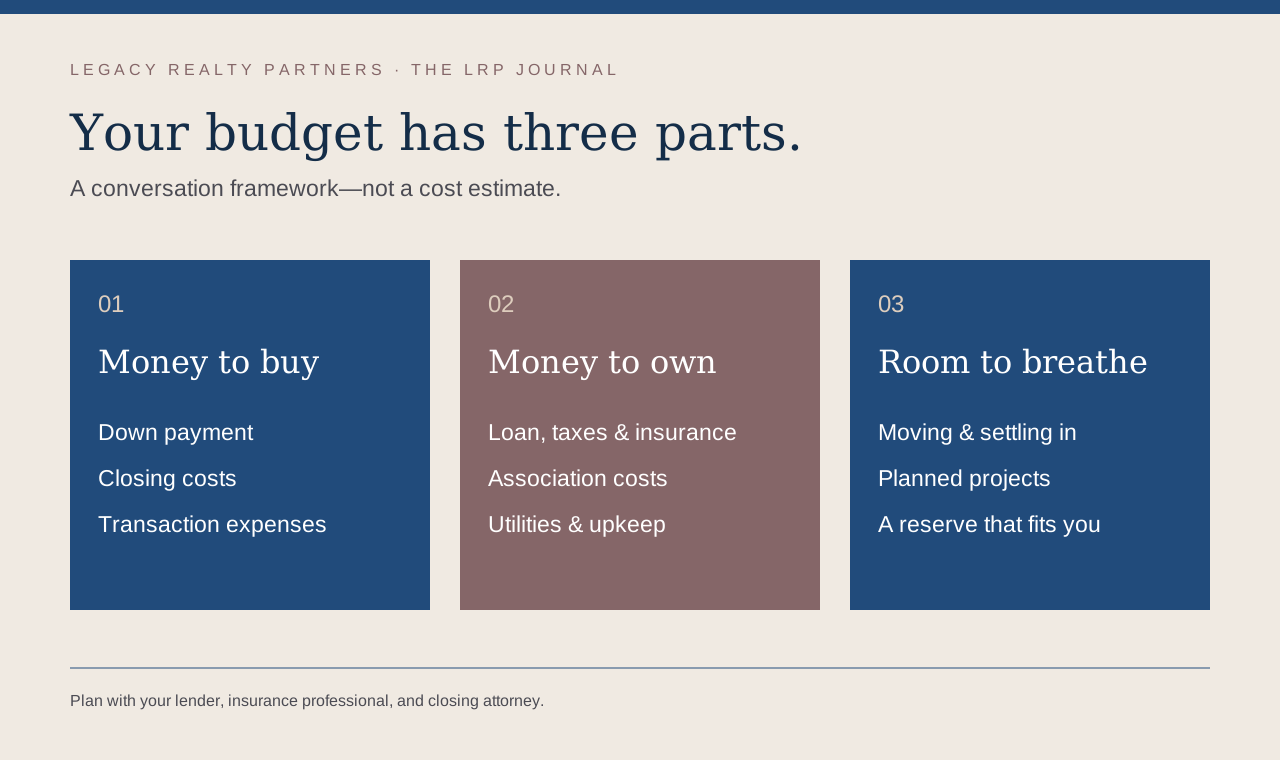
When helping relocation buyers compare their options, I encourage them to look beyond the purchase price.
Consider:
- Property taxes and municipal tax rates
- Homeowners insurance
- HOA dues and neighborhood amenities
- Utility costs
- Transportation and commuting expenses
- Home maintenance and future repairs
I also encourage buyers to compare actual homes that fit their needs rather than relying entirely on citywide averages.
A move that makes financial sense for one family may not make sense for another.
That’s why I believe affordability should always be evaluated alongside lifestyle.
4. Schools Are an Important Part of the Conversation
One of the reasons Brian and I decided to relocate was our dissatisfaction with the educational options available to our children in Florida.
As a mother of five, I understand how much thought goes into making decisions about education.
The Raleigh area offers a variety of educational options, including traditional public schools, year-round schools, magnet programs, charter schools, private schools, and specialized educational opportunities.
Wake County Public School System serves much of Raleigh and many surrounding communities.
One thing that sometimes surprises newcomers is that school assignments can depend on the specific property address, and assignments and calendars may change. Check school assignments by address.
Families should research school programs, enrollment requirements, transportation, and available educational services before choosing a home.
I always encourage parents to visit schools, speak directly with administrators, and evaluate what works for their individual children.
There is no single school or educational model that’s right for every family.
For us, education was part of a much bigger conversation about the environment in which we wanted to raise our children.
5. Raleigh’s Weather Gives You Four Seasons
Having lived in Boston and Florida, I appreciate the seasons in North Carolina.
Spring is beautiful, with flowering trees and gardens coming to life.
Summers are hot and humid. Coming from Florida, that wasn’t exactly a surprise!
Fall is one of my favorite times of year. The temperatures become more comfortable, the leaves change colors, and spending time outdoors is especially enjoyable.
Winters are generally milder than what I remember from Boston, although we occasionally experience snow, freezing temperatures, and ice.
There are a few things newcomers should know.
Spring pollen can be intense. Summer humidity is real. And while major snowstorms are uncommon, even relatively small ice events can disrupt travel.
But overall, I love having four distinct seasons without the prolonged Northern winters.
6. Outdoor Living Is One of Raleigh’s Biggest Advantages
If you enjoy being outdoors, Raleigh has a lot to offer.
The area has an extensive network of parks, greenways, lakes, and recreational spaces. Explore Raleigh parks and greenway maps and trail alerts before your visit.
Some wonderful places to explore include:
- William B. Umstead State Park
- Dorothea Dix Park
- Pullen Park
- Lake Johnson
- The North Carolina Museum of Art’s outdoor park
- Falls Lake State Recreation Area
Personally, I love playing tennis, walking our dogs, spending time with family, and enjoying the outdoors.
Another advantage is Raleigh’s location within North Carolina.
We can plan trips to the coast or the mountains without having to fly across the country.
Whether you enjoy beaches, hiking, boating, or simply relaxing outside, there are plenty of opportunities to explore.
7. Raleigh Has More Restaurants, Entertainment, and Culture Than You Might Expect
I love to dance, listen to live music, try restaurants, and spend time with friends.
And one of the things I appreciate about living in the Triangle is the variety of things to do.
Downtown Raleigh offers restaurants, museums, music venues, festivals, and nightlife.
North Hills has developed into a popular destination for shopping, dining, and entertainment.
Downtown Cary has become a wonderful gathering place, while Durham offers its own restaurant scene, performing arts venues, and cultural attractions.
The Triangle also has a strong sports culture.
Between NC State, UNC, Duke, and the Carolina Hurricanes, there’s plenty to get excited about.
And the nice thing is that entertainment isn’t limited to downtown Raleigh.
Many surrounding communities have their own festivals, restaurants, farmers markets, and local events.
8. Jobs, Healthcare, and Universities Help Shape the Triangle
The Triangle has a diverse employment base supported by technology, healthcare, education, research, and life sciences.
Research Triangle Park is a major regional employment center.
The area is also home to NC State University, Duke University, and UNC-Chapel Hill.
These institutions contribute to the region’s economy, culture, research opportunities, and healthcare resources.
Major healthcare systems include WakeMed, Duke Health, and UNC Health.
For people considering a relocation, I recommend looking closely at the location of their workplace, healthcare providers, and other services they expect to use regularly.
The Triangle is geographically spread out, and a location that looks close on a map may involve a longer drive than expected.
9. Traffic and Commuting Deserve More Attention Than You Think
One of the biggest mistakes I see relocation buyers make is underestimating the importance of their daily commute.
Raleigh is still largely a car-dependent city.
While certain neighborhoods offer walkable access to restaurants, shops, and entertainment, most residents rely on a vehicle for everyday transportation.
Major roads such as I-40, I-440, I-540, US-1, and Capital Boulevard can become congested during peak travel periods.
A home that seems conveniently located on a Sunday afternoon may feel very different during weekday rush hour.
My recommendation is to drive your anticipated commute before making a decision.
And if you work remotely, think about the places you’ll visit regularly.
Sometimes proximity to family, recreational activities, or your favorite restaurants matters more than proximity to an office.
10. The Things You Might Not Love About Raleigh
I believe that helping someone relocate means being honest about the challenges as well as the benefits.
Raleigh isn’t perfect.
Traffic has increased as the region has grown.
Housing prices have risen.
Construction and development can change the character of neighborhoods.
Summer humidity can be uncomfortable, and spring pollen is something you’ll quickly become familiar with.
Some communities have grown faster than their roads and infrastructure.
And if you’re moving from a city with extensive public transportation, you may find Raleigh more dependent on cars than you’re accustomed to.
None of these things necessarily makes Raleigh the wrong choice.
But they’re worth understanding before you move.
The goal isn’t to convince someone that Raleigh is perfect.
It’s to help them determine whether it’s the right fit for their lifestyle.
11. My Advice Before You Move to Raleigh
After nearly three decades in real estate, I’ve learned that the best real estate decisions begin with understanding how people want to live.
When someone tells me they’re considering Raleigh, I encourage them to explore the area before becoming attached to a particular property.
Visit neighborhoods at different times of day.
Walk through downtown Cary or Apex.
Spend an afternoon exploring Raleigh’s parks.
Try restaurants in different communities.
Drive the commute you would actually take.
And don’t assume that the neighborhood you’ve heard the most about is necessarily the best fit for you.
Sometimes the community you hadn’t considered becomes the one that feels most like home.
I’ve seen that happen many times.
12. Why I Love Helping People Make Raleigh Home
When Brian and I left Florida, we were making a decision about our family’s future.
We wanted something different.
More balance. More breathing room. A better quality of life.
Looking back, that experience has influenced how I approach real estate.
As a mother of five, a grandmother, and a Realtor with nearly 30 years of experience, I understand that buying a home is rarely just about the property.
It’s about the life you hope to create there.
I’ve helped people navigate first homes, growing families, relocations, career changes, downsizing, and new chapters.
Some of those clients have become lifelong friends.
And that’s one of the things I love most about what I do.
I don’t want to simply help someone buy a house in Raleigh.
I want to help them understand the area, explore their options, and make a decision they’ll feel good about long after moving day.
Thinking About Moving to Raleigh?
Whether you’re relocating from Florida, the Northeast, another part of the country, or simply exploring a different community within the Triangle, I’d love to help you discover what this area has to offer.
You don’t have to know exactly where you want to live before we start talking.
In fact, figuring that out together is one of my favorite parts of the process.
Because finding a house is one thing. Finding a place that feels like home is something entirely different.
Maya Galletta
Legacy Realty Partners | RE/MAX United
Serving Raleigh, Cary, Apex, Holly Springs, and the Greater Triangle area.
Thinking About Making Raleigh Home? Let’s Explore Your Options.
Tell me what your move could look like. We can start with your priorities, even if you haven’t chosen a community yet.
Explore home search options ↗ · Get to know the communities ↗
Sources & further reading
Helpful resources for planning your move. Confirm current school assignments, enrollment options, and park or trail conditions directly with the relevant organization.
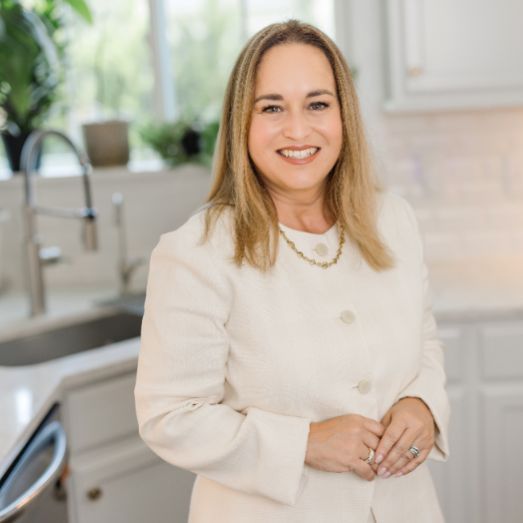
Maya Galletta
Personal guidance for buying, selling, and finding your place in the Triangle. Legacy Realty Partners · RE/MAX United.
Talk with Maya ↗